ERC funding for new approach against malaria
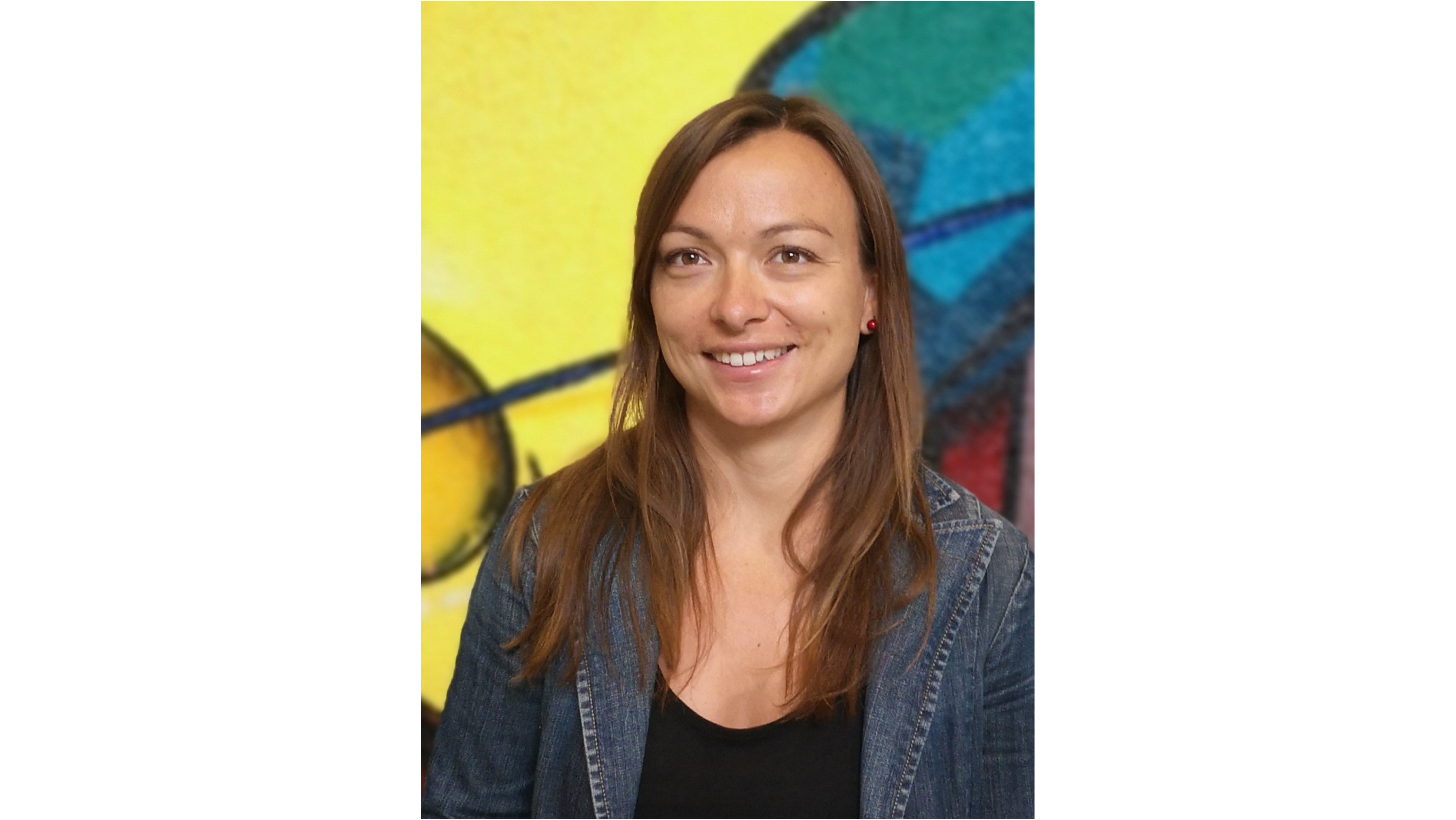
Every year, millions of people worldwide are infected with malaria, and several hundred thousand die as a result of the infection. Due to widespread resistance, neither the disease can be reliably treated nor can its vectors be effectively combated. A vaccine is also still a long way off. Dr Franziska Hentzschel holds a position as junior research group leader at the Faculty of Medicine of Heidelberg University and in the Department of Parasitology at the Centre for Infectious Diseases at Heidelberg University Hospital. She has been awarded the Starting Grant from the European Research Council (ERC) for her promising approach.

Malaria is caused by a tiny, single-celled parasite called Plasmodium. It is transmitted to humans by the Anopheles mosquito when it sucks blood. The parasite needs both hosts, mosquitoes and humans to complete its Life cycle. However, there is little research done on the developmental steps the parasite goes through in the mosquito. What is known is that malaria parasites utilise various proteins to control basic biological processes of their developmental cycle in the mosquito, for example reproduction.
Can the infection of the mosquito be prevented?
Dr Franziska Hentzschel recently discovered a Plasmodium specific Arp2/3 protein complex This complex controls how the genetic material is distributed into the parasite’s developing male gametes. This process is essential for development of the so-called oocysts – parasitic cysts in the mosquito – in which the infectious malaria pathogens multiply. Hentzschel wants to elucidate the molecular activation mechanism of the Plasmodium Arp 2/3 complex and the regulation of this complex. Particularly exciting is the fact that without this complex, the virus cannot migrate to the salivary glands and cannot be transmitted into a new human host.
Dr Franziska Hentzschel is delighted with the recognition and the associated opportunity to further expand her research group. ‘With the discovery and investigation of the Plasmodium Arp2/3 complex, we now have a unique opportunity to decipher the unusual and fascinating cell biology of the malaria pathogen in the mosquito. I am excited to see what surprises the parasite has in store for us and hope that, in the long term, our work will enable new approaches to combat this dangerous pathogen.’ In her work entitled ‘PlasmoArp – The unusual role of a highly divergent Arp2/3 complex in the mosquito stages of malaria parasites’, she wants to combine various molecular biological methods, single-cell transcriptomics and imaging and also engineer a new genetic tool to dissect gene function specifically in the oocyst.
ERC grant supports visionary projects
The ERC Starting Grant, awarded by the European Research Council (ERC) in the amount of up to 1.5 million euros for a period of 5 years, enables Franziska Hentzschel to conduct her own research. The ERC funds outstanding excellent junior researchers in all scientific fields who have already proven themselves through excellent work by establishing their own independent research group.
Franziska Hentzschel’s research work is expected to begin early next year. The aim is to explore innovative strategies to disrupt the malaria parasite’s life cycle – and hopefully save hundreds of thousands of lives.