Cystic fibrosis research: Improving therapy with CFTR modulators using short-chain fatty acids
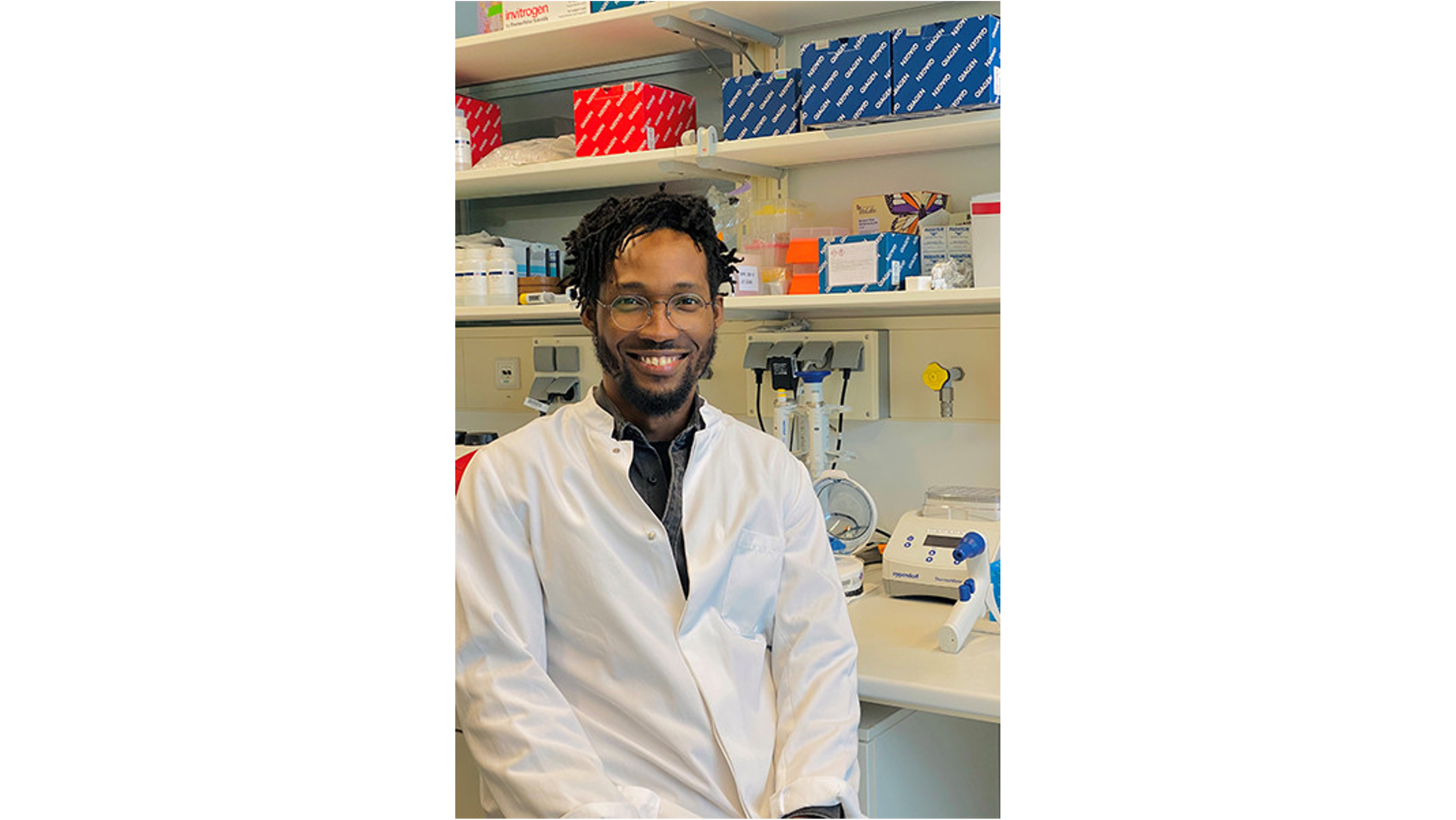
The German Cystic Fibrosis Association (Bundesverband Mukoviszidose e.V.) is providing 148,330 euros to fund a project by Dr. Andrew Tony-Odigie’s working group (Heidelberg University Hospital) on the use of commensal (beneficial) bacteria and their metabolic products to improve therapy with CFTR modulators. The scientists are investigating previously unknown interactions between modulator therapy and commensals and their possible synergistic interactions using the example of the effect of short-chain fatty acids on Pseudomonas aeruginosa. The aim is to open up new therapeutic options for cystic fibrosis patients with chronic lung infections. (Cystic fibrosis: cystic fibrosis, CF). Press release by the Bundesverband Mukoviszidose e.V..

Chronic lung infection is a problem even under modulator therapy
Chronic infection of the lungs with pathogenic germs is still an unresolved problem in people with cystic fibrosis, even under successful ETI therapy (triple combination of elexacaftor/tezacaftor/ivacaftor). For example, the frequently occurring colonization with Pseudomonas aeruginosa (PA) can lead to a sudden deterioration in lung function (exacerbation), which puts a strain on the patient’s overall state of health. A promising approach for new therapy options lies in researching the mutual influence of pathogenic and commensal germs in the lung microbiome.
In focus: Interactions between ETI therapy and commensals
In preliminary work, Andrew Tony-Odigie’s team was able to show that certain small chain fatty acids (SCFA), which are released as metabolic products by some commensal Streptococcus species, have an inhibitory effect on Pseudomonas aeruginosa and also attenuate the inflammatory reaction in the tissue caused by PA. Building on this, the scientists in the current project are investigating the extent to which CFTR modulator therapy affects the interaction of the various bacteria in the lungs and whether there are previously unknown interactions between ETI therapy and the commensal bacteria that lead to a – possibly mutual – enhancement of the effect. Using the specific example of the previously identified commensal Streptococcus species and the short-chain fatty acids released by them, the possible synergistic interactions will be tested in the experiment.
Investigation with probiotic and postbiotic CFTR modulator approach
The investigation of the research question on nasal epithelial cells from people with cystic fibrosis (with at least one copy of the F508del mutation) is carried out in three work packages: In the first step, the interaction of commensal bacteria and CFTR modulators will be analyzed in a probiotic CFTR modulator approach. In the following work package, the interaction of short-chain fatty acids and CFTR modulators will be analyzed in a postbiotic CFTR modulator approach.
A further work package extends the investigation to the interaction of commensal bacteria/their metabolites and CFTR modulators in other, currently untreatable CFTR mutations. The aim is to observe whether the synergistic interactions, if any, can be extended to CFTR mutations that cannot yet be treated with modulators.
If the scientists’ hypothesis is confirmed and there are synergistic interactions between CFTR modulators and commensals, there is great potential to significantly improve the treatment of chronic lung infections in patients with cystic fibrosis in the future.
Research funding from the Bundesverband Mukoviszidose e.V.
As part of its research funding, the Bundesverband Mukoviszidose e.V. supports a wide range of projects from basic medical research to clinical studies in order to improve treatment options and quality of life for those affected.
Further information on research funding from the German Cystic Fibrosis Association
Further information
About cystic fibrosis
In Germany, more than 8,000 children, adolescents and adults are affected by the incurable hereditary disease cystic fibrosis. Due to a disorder of the salt and water balance in the body, cystic fibrosis sufferers develop a viscous secretion that irreparably damages organs such as the lungs and pancreas. Every year, around 150 to 200 children are born with this rare disease in Germany.
About the Bundesverband Mukoviszidose e.V.
The Bundesverband Mukoviszidose e.V. connects patients, their relatives, doctors, therapists and researchers. It brings together different experiences, skills and perspectives with the aim of enabling everyone affected to lead as self-determined a life as possible with cystic fibrosis. The non-profit patient organization relies on the support of committed donors and sponsors to achieve its diverse tasks and goals.